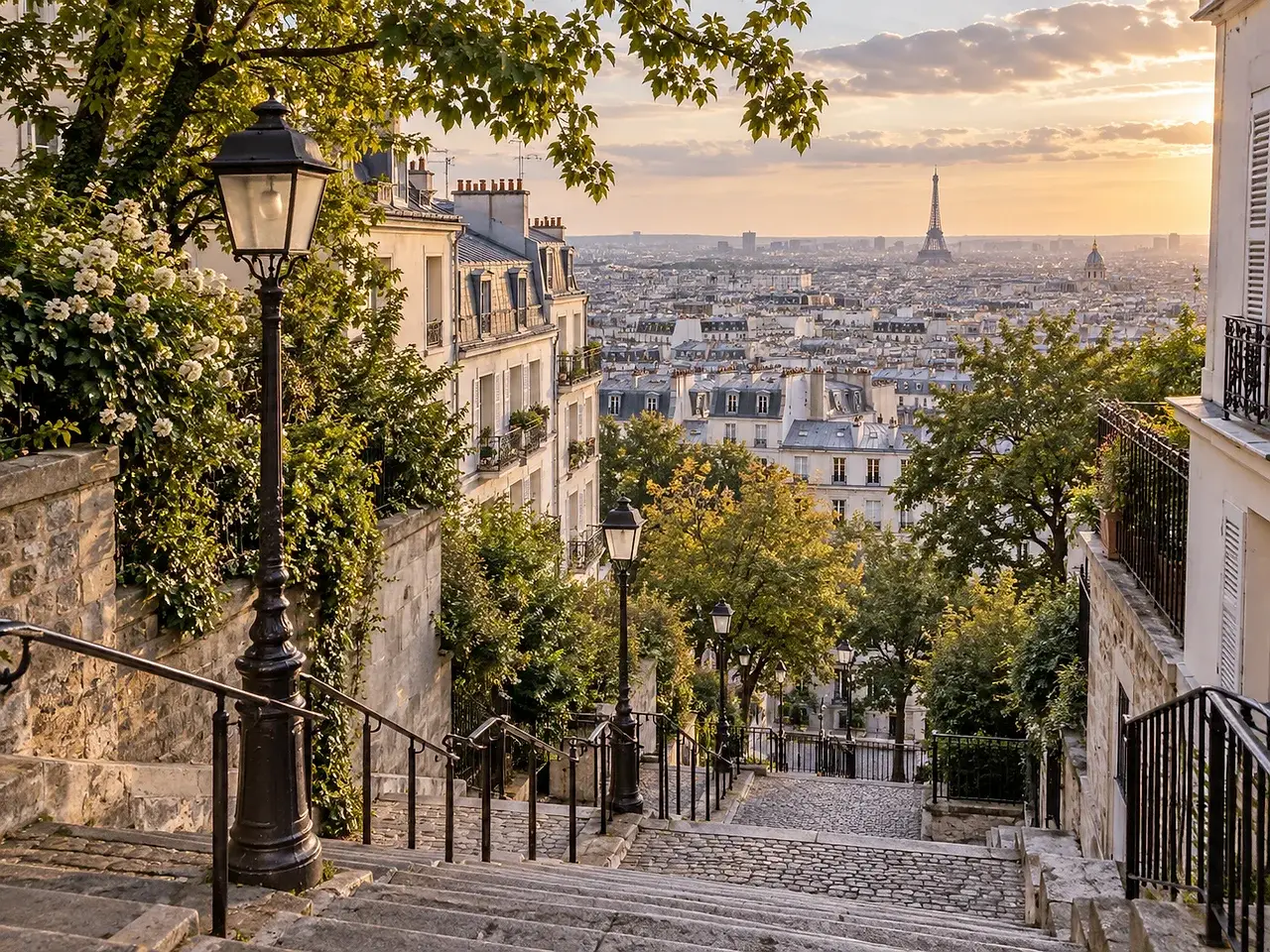
Montmartre

Sacré-Cœur, Place du Tertre, the vineyard and quiet artists’ streets. Enjoy stairways, La Maison Rose and Paris panoramas at your own pace.

About Montmartre

Stories behind the sights

Montmartre was once a separate hilltop village with windmills, vineyards and its own way of life. In the 19th century, artists, poets, cabarets and studios shaped the neighbourhood that became one of Paris’s most recognisable places.

What makes it special?

Montmartre brings together panoramas, stairways, village streets and a rich artistic history. Sacré-Cœur and busy Place du Tertre sit close to a quiet vineyard, old windmills and small corners easily missed on a hurried visit.

Who will enjoy it?

Ideal if you enjoy views, characterful streets, art, old cafés, photographs and walks with uphill stretches. Morning and evening bring softer light and a calmer atmosphere.

Neighbourhood highlights

View the route
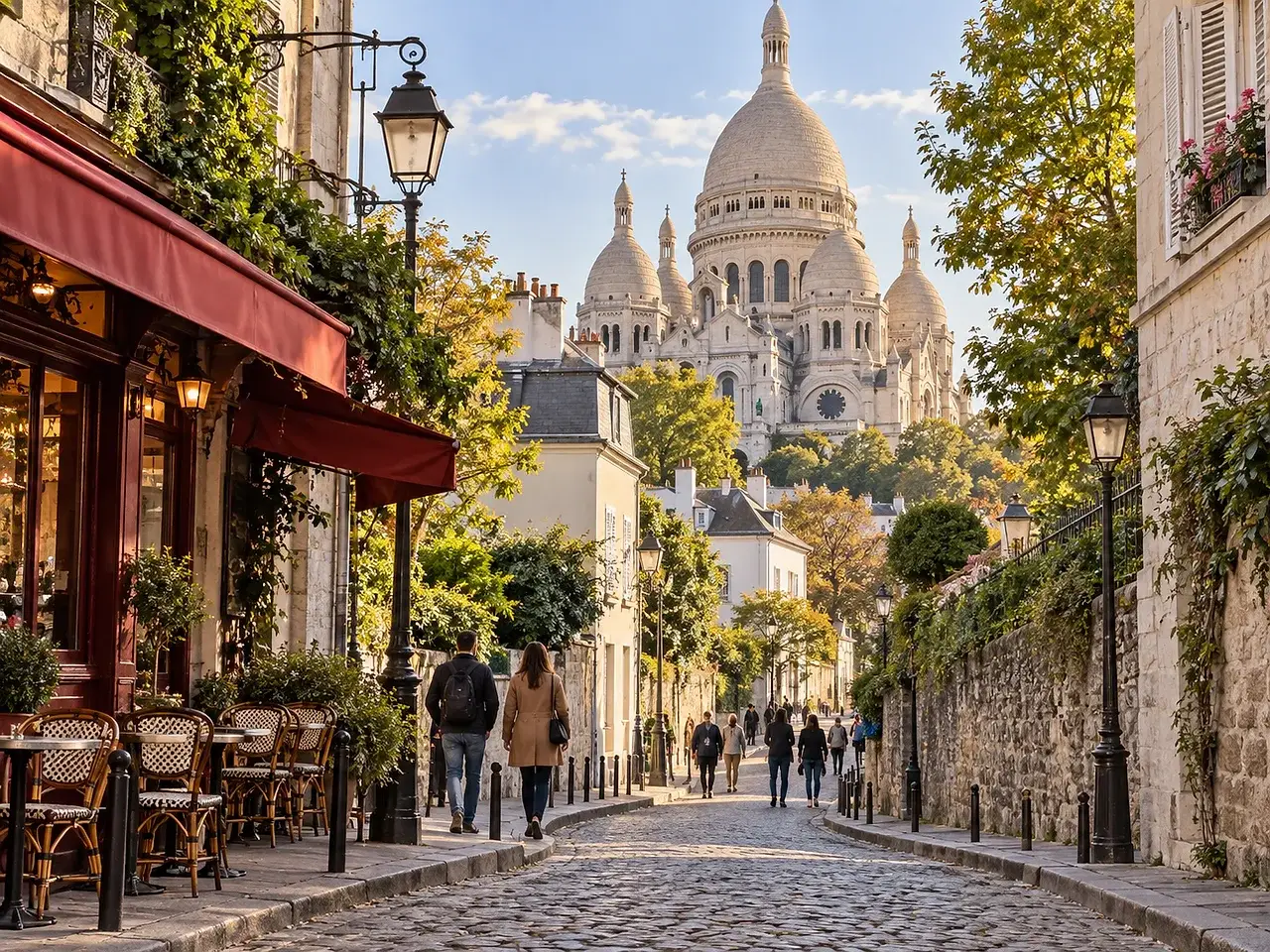
Sacré-Cœur in Montmartre

Sacré-Cœur

A highlight of the hill with a memorable Paris panorama. Come in the morning or towards evening.

Artists on Place du Tertre

Place du Tertre

A lively artists’ square where Montmartre’s visitor attractions meet its bohemian history.

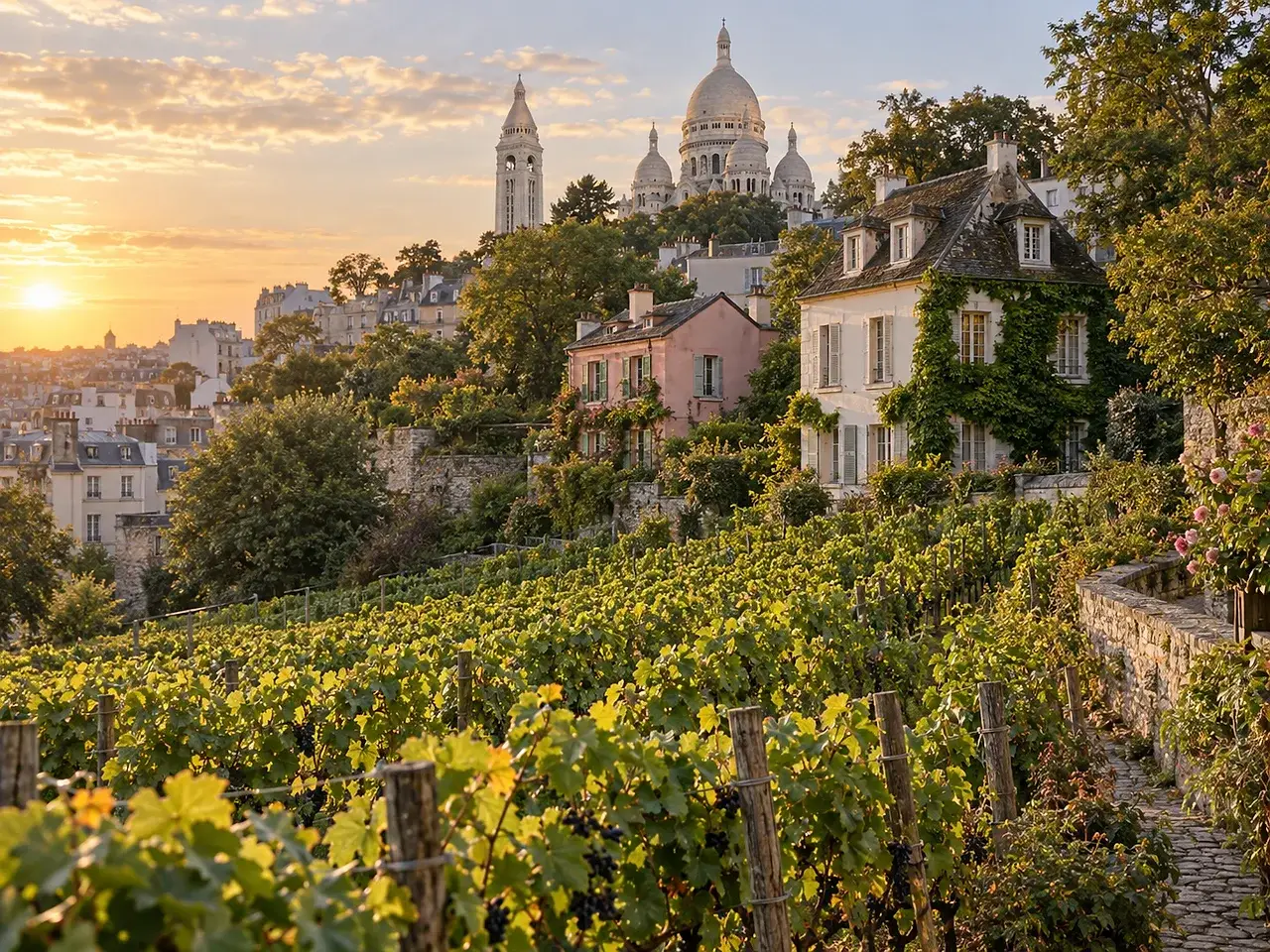
The Clos Montmartre vineyard

Clos Montmartre

This small vineyard recalls Montmartre’s village past, with windmills, gardens and a way of life of its own.

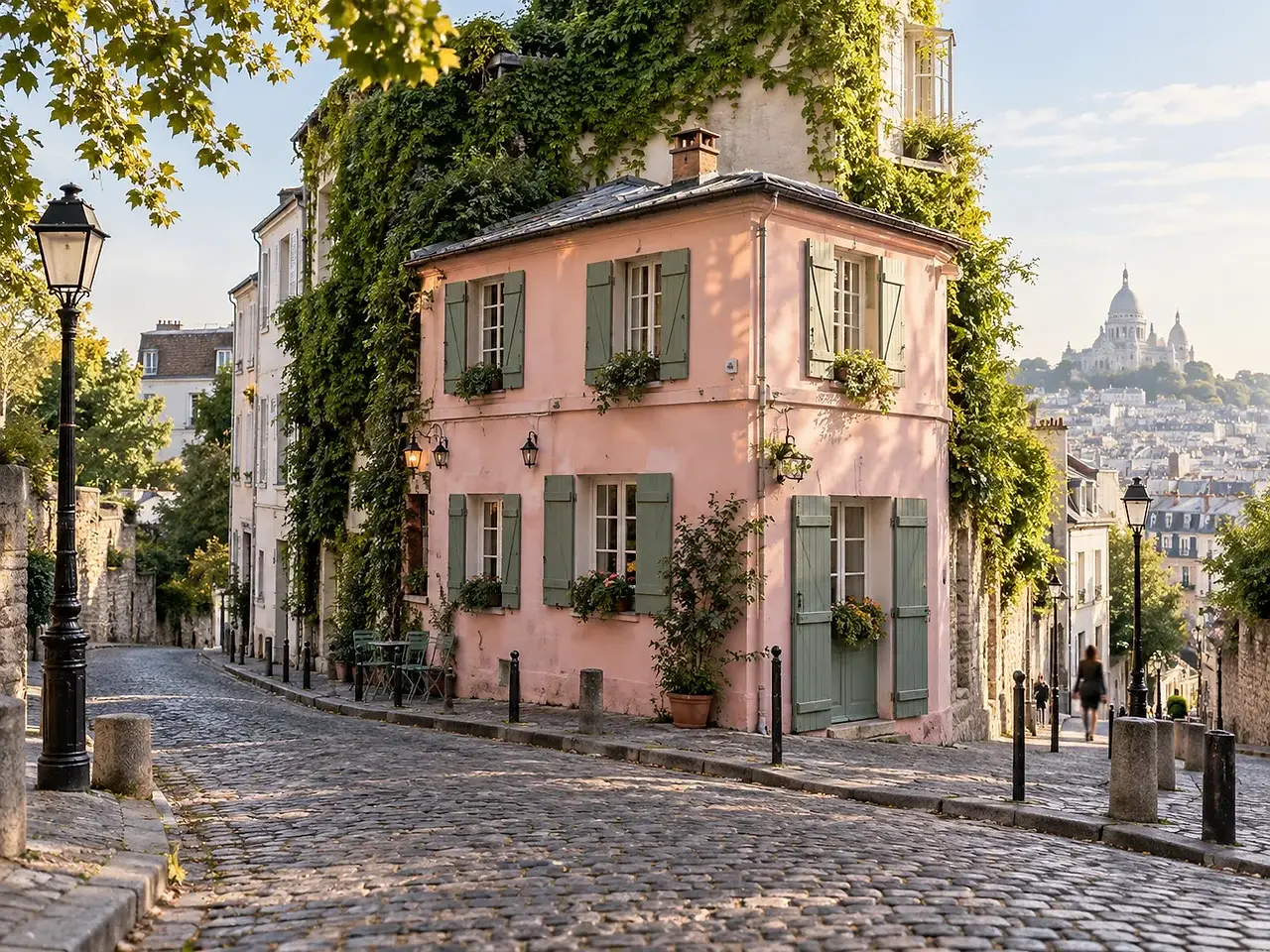
La Maison Rose in Montmartre

La Maison Rose

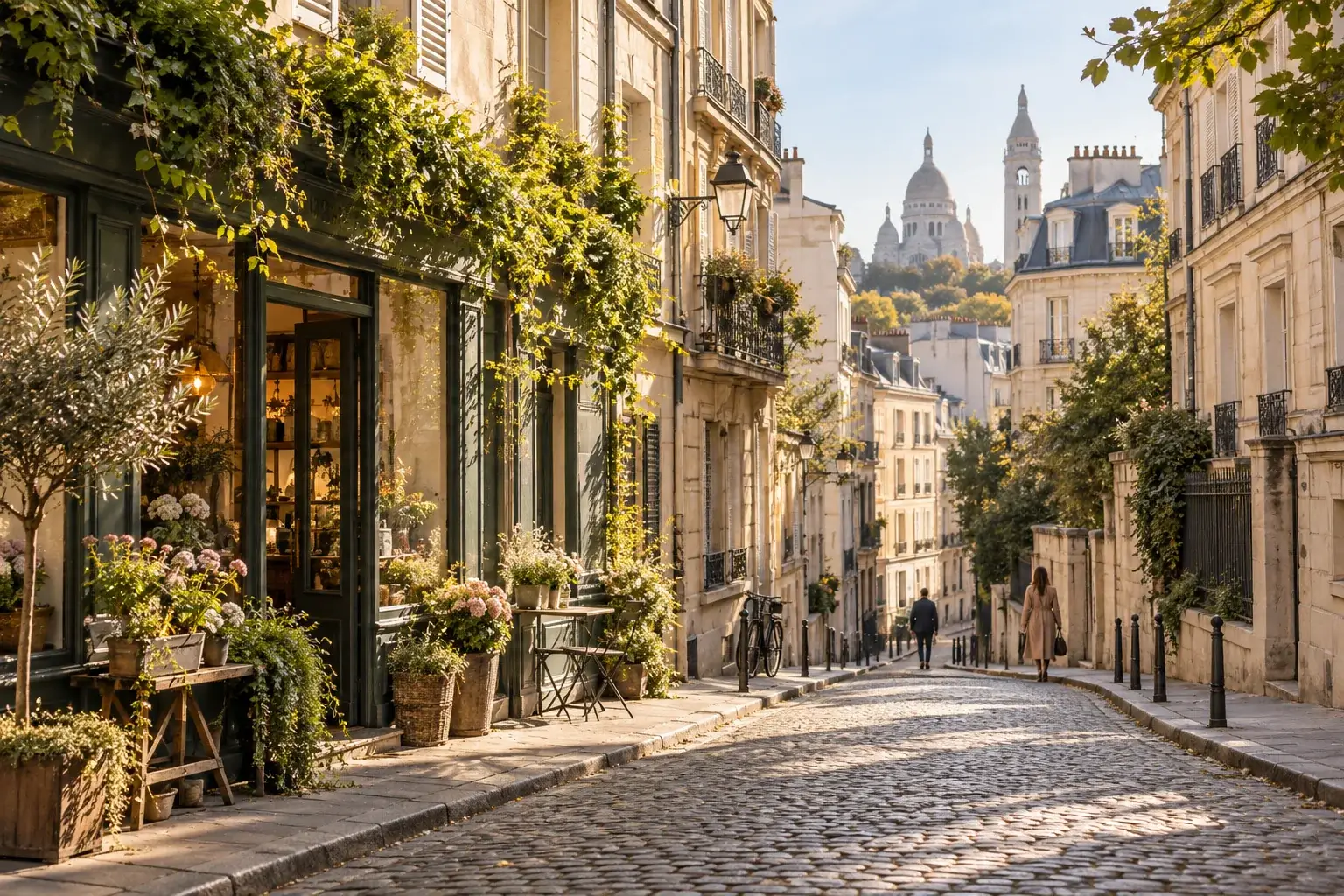
The pink house on a quiet street is one of the neighbourhood’s most recognisable corners.

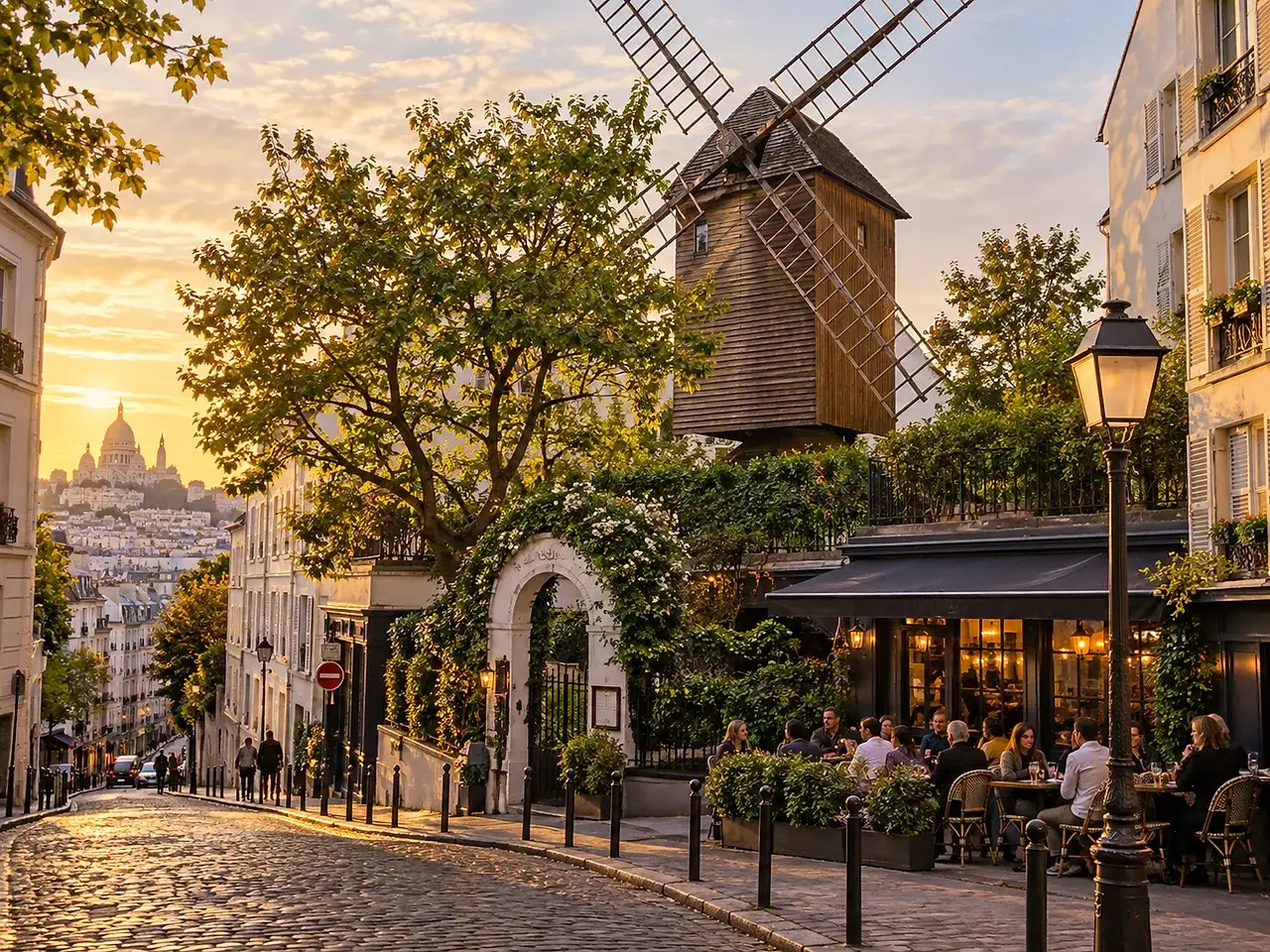
Moulin de la Galette

Moulin de la Galette

A historic windmill linked to the cafés, dancing and paintings of artistic Montmartre.

Montmartre stairways and panorama

Stairways and viewpoints

The uphill streets, stairs and unexpected rooftop views are part of the pleasure of exploring Montmartre.

A Montmartre walking route

1
Anvers and the climb to Sacré-Cœur

Begin at the foot of the hill and climb towards the basilica, pausing for the views.

2
Sacré-Cœur

Take in the square, façade and panorama before the busiest part of the day.

3
Place du Tertre

Continue towards the artists for the lively, open-air side of Montmartre.

4
Clos Montmartre and La Maison Rose

Turn towards the vineyard and pink house for a quieter, more intimate part of the walk.

5
Moulin de la Galette

Include the historic windmill and surrounding streets to explore the neighbourhood’s bohemian past.

6
Stairways and Abbesses

Finish by heading down through stairways, shop-lined streets and cafés towards Abbesses.

What you will discover

Montmartre: A separate commune before joining Paris in the 19th century.

Sacré-Cœur: Enjoy one of Paris’s best-known panoramas.

Clos Montmartre: A reminder of the vineyards that once covered the hill.

Moulin de la Galette: Linked to the history of cabarets, dancing and painting.

A quieter Montmartre: Explore the side streets beyond the main visitor routes.

Useful reading before your walk

All articles
La Maison Rose and a quiet Montmartre street

Plan your walk

Montmartre at an easy pace

Explore beyond the square at Sacré-Cœur to enjoy side streets, stairways and stops with city views.

More about Montmartre

What to see in Montmartre+

Sacré-Cœur, Place du Tertre, Clos Montmartre, La Maison Rose, Moulin de la Galette, stairways and Paris views.

How much time to allow+

Allow 2–3 hours for a full walk, and more if you would like a café break.

When to visit+

Mornings are quieter around Sacré-Cœur; evenings bring lovely light and city views.

Where to start the route+

Begin at Anvers for the classic climb to the basilica, or at Lamarck–Caulaincourt for a quieter approach.

What to combine with this neighbourhood+

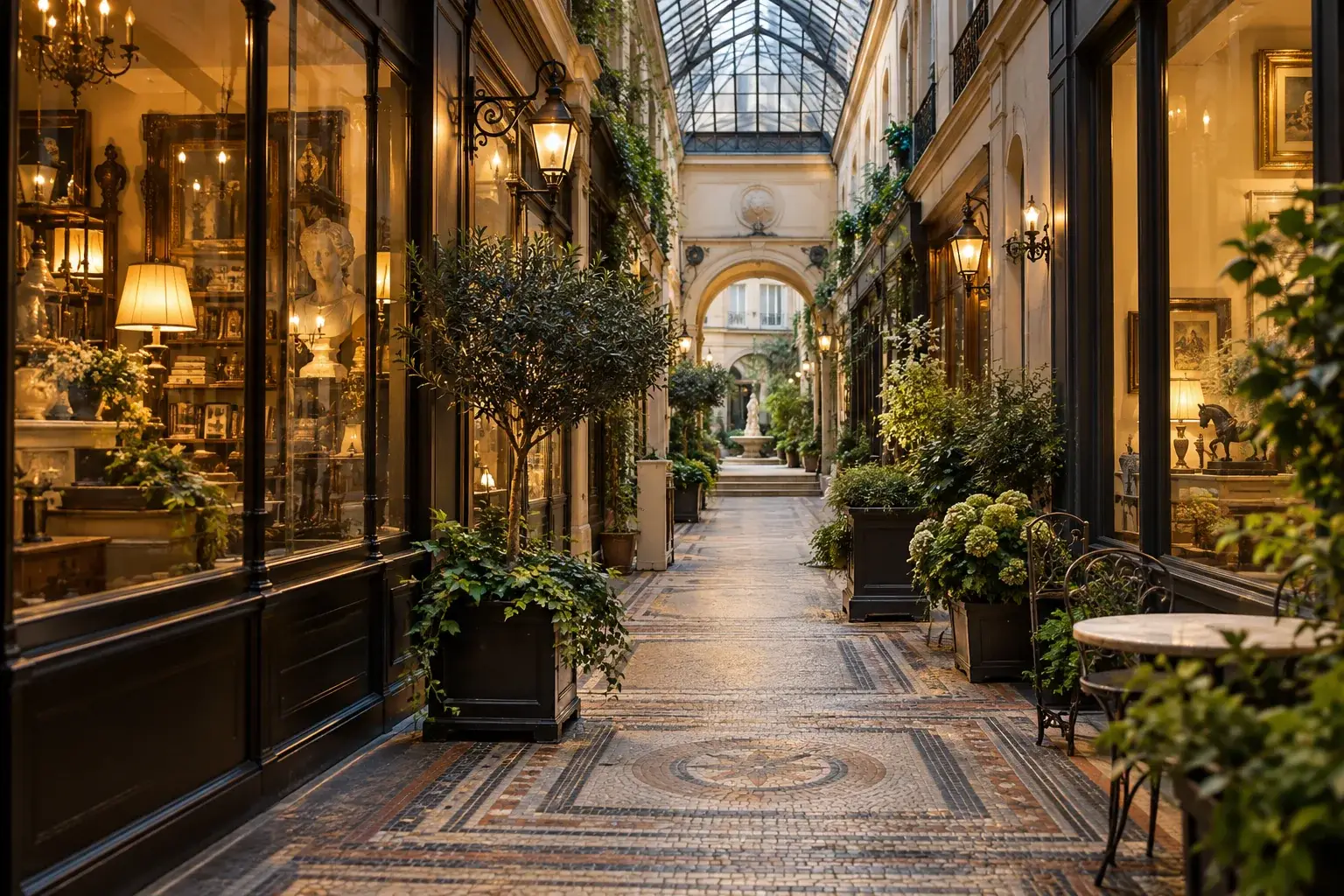
Combine it with Pigalle, covered passages to the south, an evening walk or a dedicated tour of bohemian Paris.

Discover the atmosphere of Montmartre.

An unhurried route helps you explore the hill as a lively neighbourhood, with plenty to enjoy beyond its familiar views.

WhatsApp Choose a tour