Why artists changed the rules
Trace changes in art from the later 19th to early 20th century. Ceremonial subjects and established techniques meet city life, landscapes and new compositions. Compare concealed and visible brushwork, and see how pose, background and viewpoint affect meaning. A few works examined carefully reveal more than a list of famous names. Historical context helps explain what you can see.
The Impressionists at Orsay
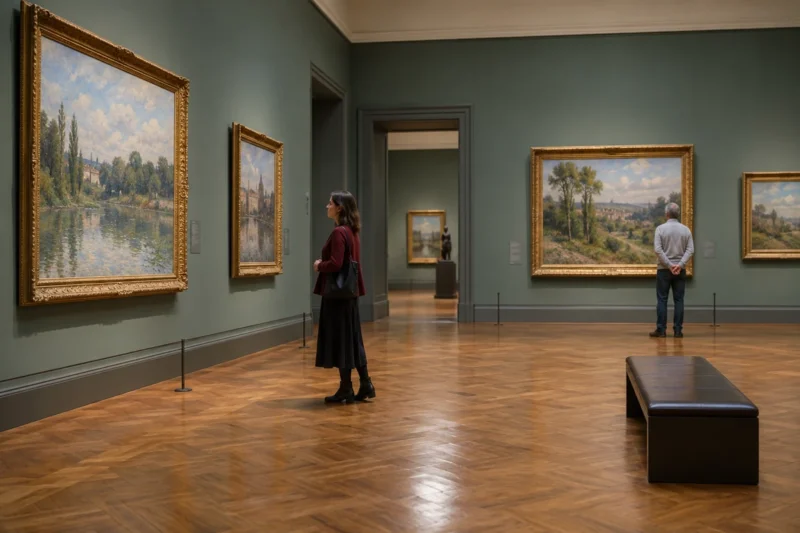
Explore light, colour and modern life. Available works by Monet reveal air, weather and reflections; Renoir offers relationships, social encounters and compositions. Compare individual approaches rather than treating Impressionism as one uniform style. Degas introduces movement, work and unexpected viewpoints. Notice figures at the picture’s edges and apparently spontaneous scenes built through careful composition. Painting, pastel or sculpture stops depend on the display.
Beyond Impressionism
Available works by Cézanne, Van Gogh and others reveal personal systems of form and colour. Compare structure, expressive brushwork and emotional colour, looking at the image before reducing it to an artist’s biography. Works may be in exhibitions, under restoration or absent. Themes and useful comparisons guide the route, rather than a guaranteed checklist. Temporary exhibitions require separate agreement.
From railway station to museum
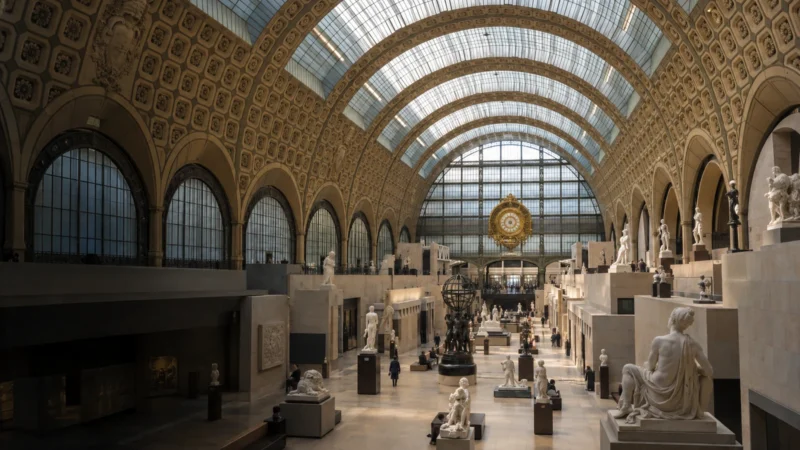
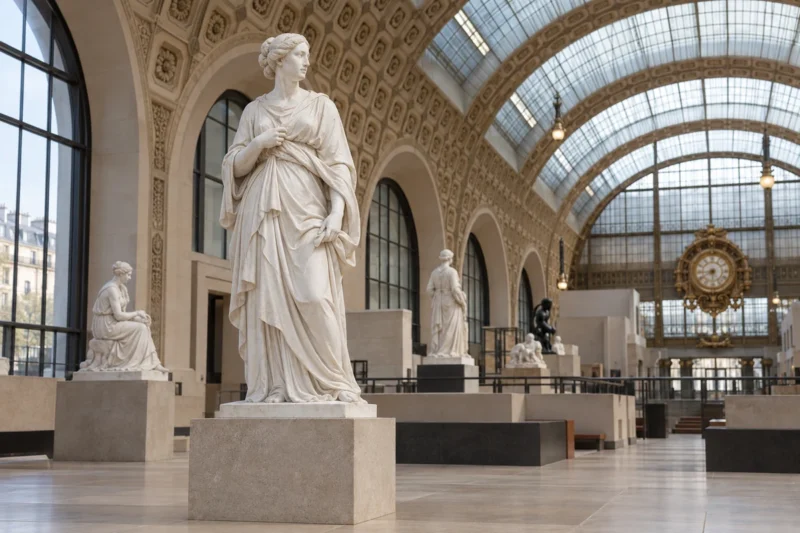
The architecture recalls speed, trains and great public buildings. Discover the station’s conversion, high vault and central nave. Selected sculptures show how volume conveys movement and character. The great clock and former hotel’s grand interiors are additional stops if open and suitable for the route. Art remains the focus, rather than a photographic tour of the building.
Orsay, Orangerie or Louvre?
Choose Orsay to compare artistic approaches and understand 19th-century change. The Orangerie focuses on Monet’s panoramic Water Lilies and oval rooms. Louvre highlights covers selected works across cultures and periods. These are three separate programmes; a second museum, the walk there and guiding inside it are excluded from the Orsay tour.
Tickets and entry arrangements
Admission costs extra. Source prices dated 17 October 2026 are €16 online or €14 at the ticket office. Check concessions and the final amount on the official ticket page. Agree the date, time and party size with us first: an enquiry does not automatically reserve museum admission. Up to 6 visitors, excluding the guide, may use individual tickets without a separate group slot. Groups of 7 or more require a group reservation. Extra museum services and a possible Pass ARC are discussed separately; priority admission is not promised without confirmation. Tour terms and party arrangements are agreed in advance. Reception-area works have changed entrances. The museum recommends advance online booking; Paris Museum Pass holders need a timed slot. The entrance depends on tickets and visit conditions, so we confirm the meeting landmark beforehand. Allow time for compulsory security checks.
When to visit and what to bring
The museum is normally closed on Mondays. Guided commentary is prohibited on Sundays and public holidays, so museum opening does not guarantee tour availability. We confirm dates after checking guiding permission and availability. See official guiding conditions and entrance information during works. Bring tickets, concession documents if needed, comfortable shoes and small bags. Discuss children’s ages, lifts and rest stops when booking. Personal photography is without flash, subject to artwork restrictions and consideration for others. Finish inside the museum; independent viewing afterwards depends on your ticket conditions.




 Александра
 Airat
 Irina