Why is it called the Latin Quarter?
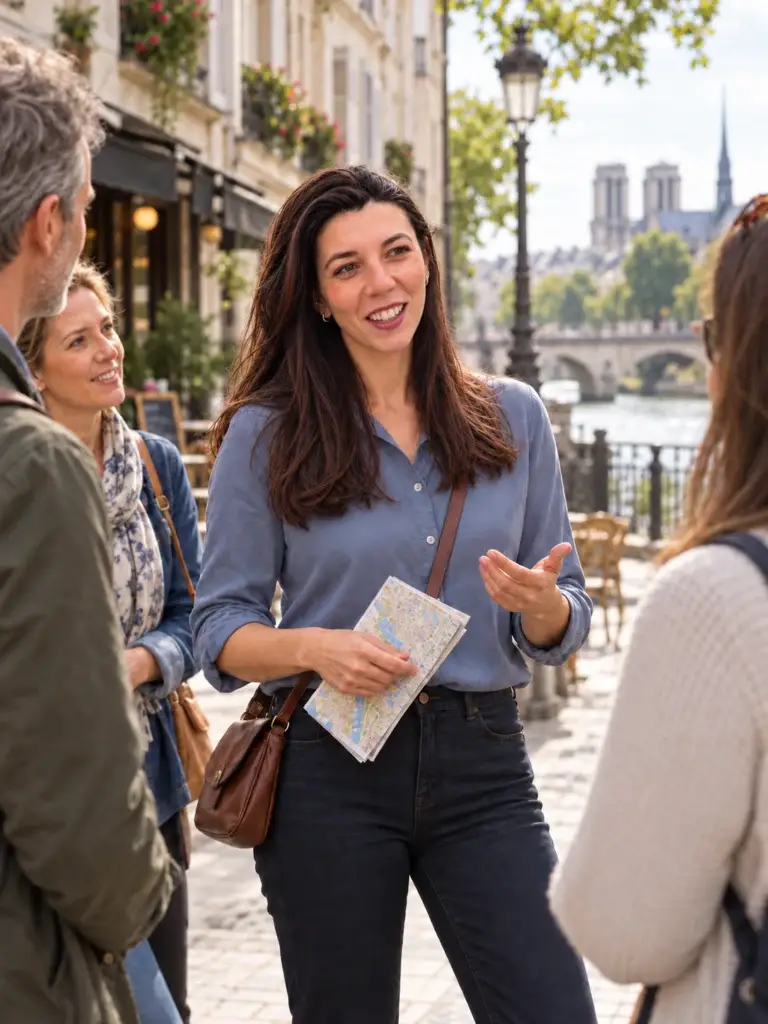
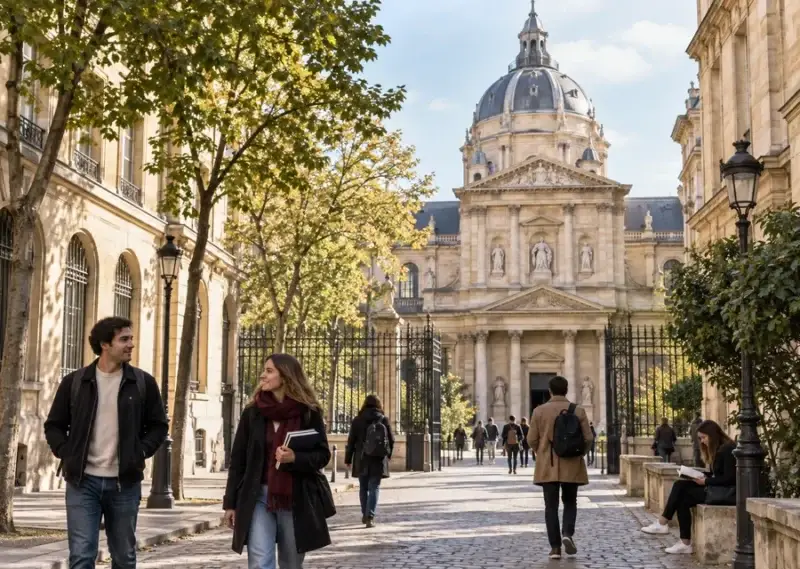
The name recalls Latin, the language of medieval learning. In Place de la Sorbonne, discover who came to study, where students met and why book trading developed around places of education. No French history preparation is needed. Streets, façades and their relationships anchor the story, with context and questions rather than a list of institutions and dates.
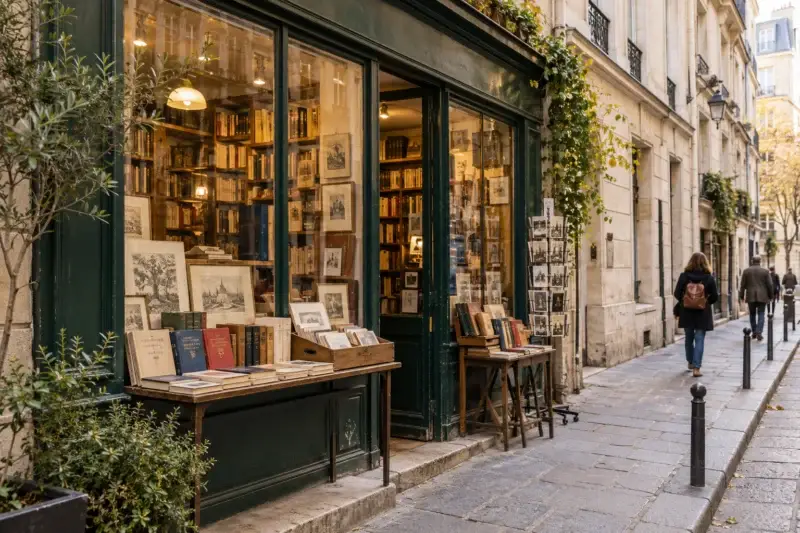
The Sorbonne and bookshop streets
Meet in Place de la Sorbonne; the exact landmark follows your enquiry. View university façades from the public square. Sorbonne interiors, courtyards, chapel and lecture halls are excluded: being on the street does not grant entry to a working institution. Nearby bookshop streets reveal reading and knowledge exchange as part of student life. Entry to a particular shop depends on opening and is not essential. Seine-side booksellers and the riverbank walk are outside this route.
The Panthéon and Montagne Sainte-Geneviève
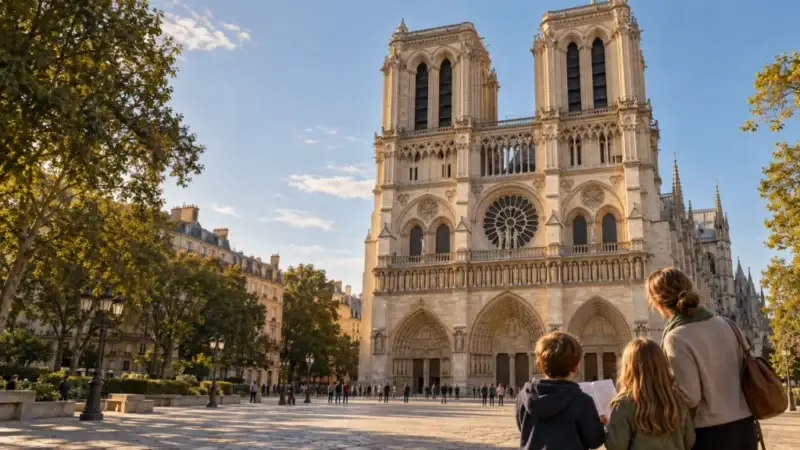
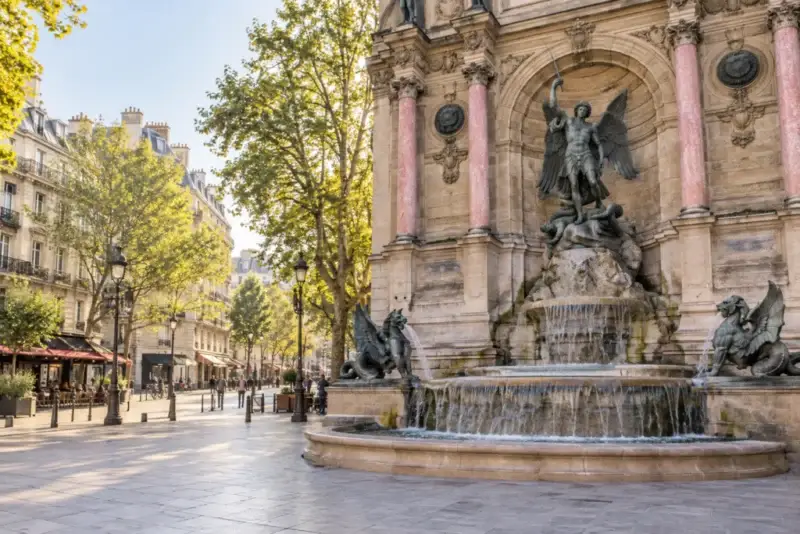
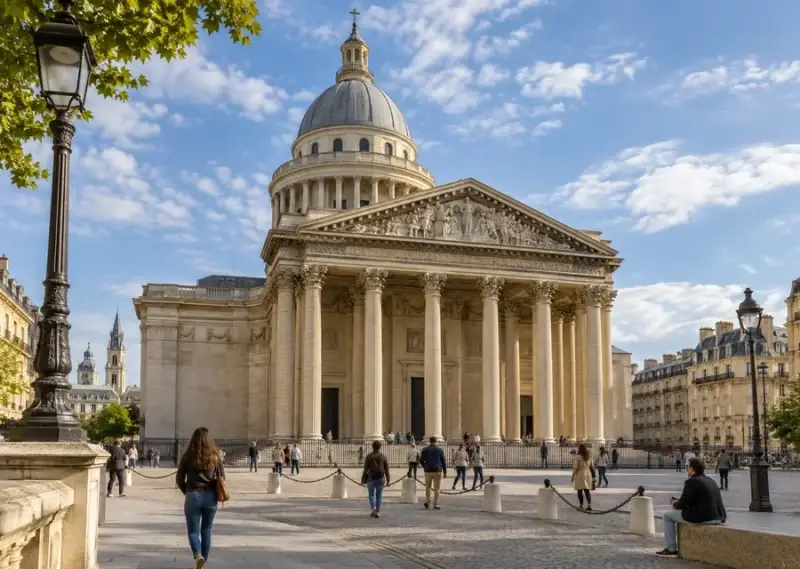
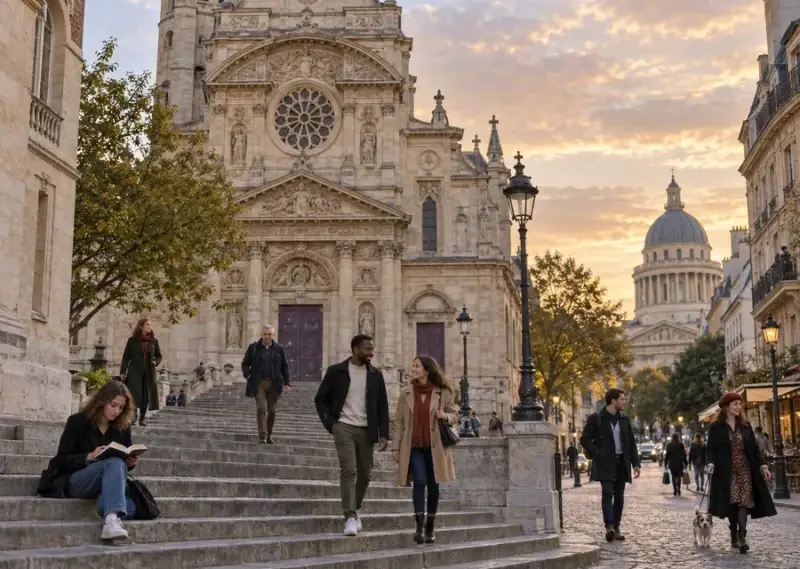
Climb to Place du Panthéon and discuss the building’s architecture and changing role in French national memory. This is an exterior stop, without the crypt. Nearby Saint-Étienne-du-Mont connects the hill’s religious history with the university district. Services and church interiors, Panthéon admission, the panorama and special visits are excluded.
Place de la Contrescarpe and upper Rue Mouffetard
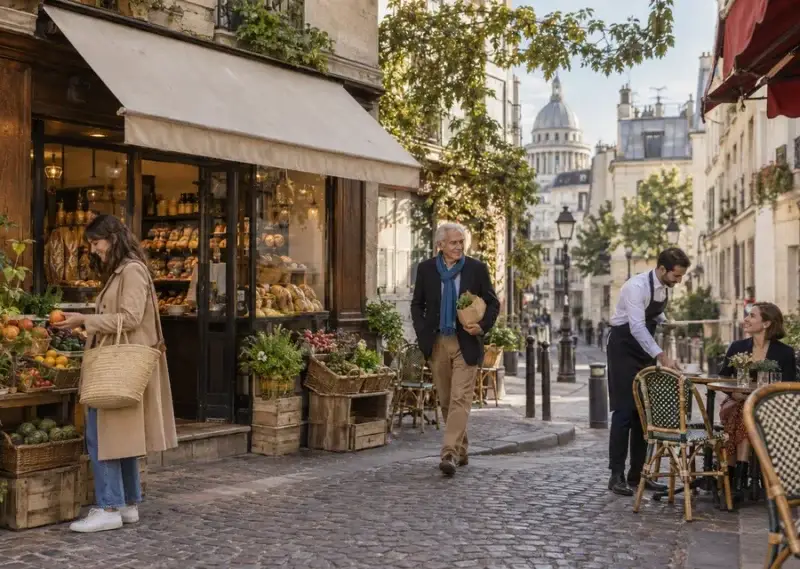
Old streets lead from monumental Paris to smaller façades, cafés, shop windows and residential life. We walk the upper part of Rue Mouffetard, rather than the whole street to Saint-Médard. This is not a food tour: tastings, purchases and drinks are excluded. Opening varies; neither an operating market nor a particular open shop is guaranteed.
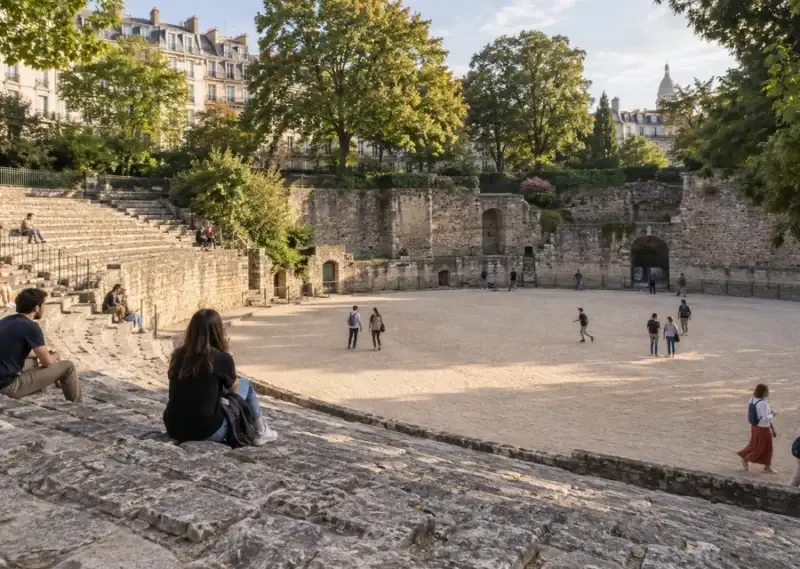
Arènes de Lutèce: Roman Paris among the houses
Continue towards Rue Monge and the arena to explore its ancient purpose, later history and place in everyday Paris. Entry is free while open, but the grounds close overnight. The municipal schedule checked in the source on 17 October 2026 recorded closing at 19:30 until 24 October and 17:45 from 25 October to the end of February, with opening at 08:00 on weekdays and 09:00 at weekends. These are seasonal reference details, not a fixed tour schedule. We agree a start with time before closing and check official arena hours and temporary restrictions. Weather, works and events may change access. If closed, finish on the public street by the Rue Monge entrance; a view through closed gates is not guaranteed.
Which neighbourhood should you choose?
This walk focuses on university history, national memory and Roman traces. Saint-Germain explores writers, philosophers, literary cafés and the Luxembourg Garden. We do not repeat Café de Flore, Les Deux Magots or the Odéon, or finish in the garden. Le Marais reveals Right Bank mansions, open courtyards and residents’ history. The Cluny Museum and its baths are not compulsory stops here; plan them independently if desired.
Before the walk
Allow around 2.5 hours, including the climb to the Panthéon, cobbles and street crossings. Bring comfortable shoes, water and weather-appropriate clothing. Discuss children’s ages, pushchairs, breaks and language when booking. Step-free access throughout is not promised; approaches to the arena need separate consideration. The standard outdoor route needs no museum tickets. Panthéon interiors, museums, university rooms and extra stops are excluded. The route runs from Place de la Sorbonne to the arena; closure-related changes are discussed beforehand.

 Irina
 Салтанат
 Анна